What Is Irritable Bowel Syndrome (IBS)?
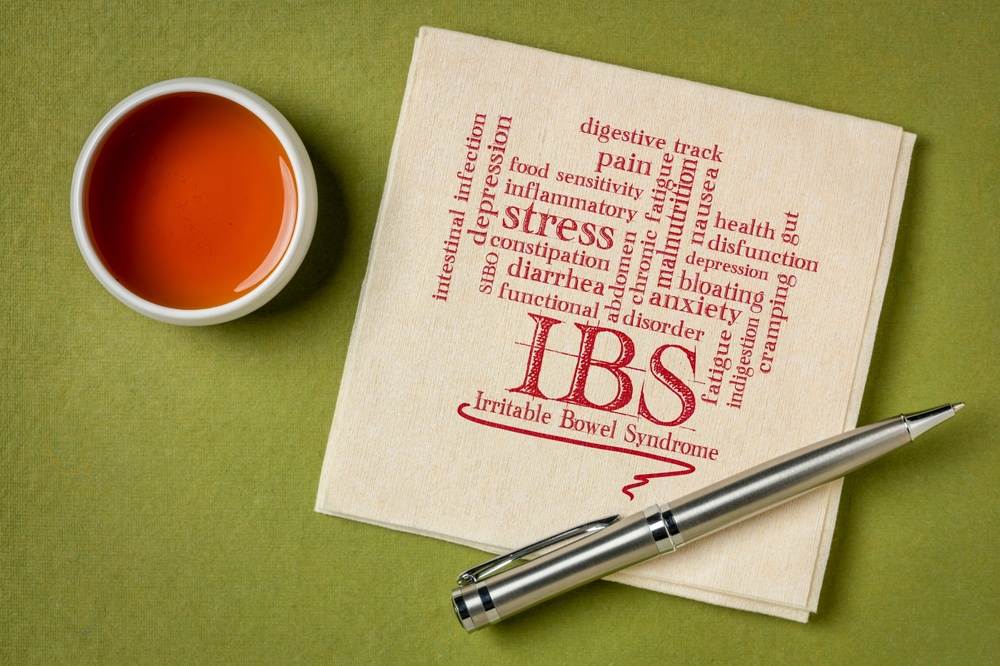
Irritable Bowel Syndrome (IBS) is a chronic gastrointestinal disorder that affects the large intestine. While IBS does not cause permanent damage to the intestines, it can significantly impact a person’s quality of life. It is characterized by a group of symptoms, including abdominal pain, bloating, gas, diarrhea, and constipation. These symptoms can vary in intensity and duration from person to person, making IBS a highly individualized condition.
While the exact cause of IBS remains unclear, factors such as stress, dietary triggers, gut-brain interaction issues, and changes in the gut microbiome are believed to contribute to its development. Although IBS does not lead to serious complications or damage to the intestines, it can significantly impact a person’s quality of life. Understanding and managing triggers through lifestyle changes and treatment plans can help individuals maintain better control over their symptoms.
Unlike inflammatory bowel disease (IBD), IBS does not involve inflammation or structural damage to the intestines.
Common Symptoms of IBS
The symptoms of Irritable Bowel Syndrome (IBS) can vary widely among individuals. The severity and frequency of these symptoms can differ, and factors like stress, diet, or hormonal changes may trigger them. Recognizing these common signs is essential to seeking a proper diagnosis and developing an effective management plan.
People with IBS experience a range of symptoms, which can vary in severity and frequency. The most common symptoms of IBS include:
- Abdominal pain or cramping
- Changes in bowel movements, including diarrhea, constipation, or both
- Excessive gas and bloating
- Mucus in the stool
- A feeling of incomplete evacuation after a bowel movement
Since these symptoms overlap with other digestive conditions, it is essential to consult a medical professional for a proper diagnosis.
Conditions That Mimic IBS
Several digestive disorders have similar symptoms to IBS, making diagnosis challenging. Some conditions that mimic IBS include:
- Inflammatory bowel disease (IBD), which includes Crohn’s disease and ulcerative colitis
- Celiac disease is an autoimmune reaction to gluten that damages the small intestines
- Lactose intolerance, which leads to digestive discomfort after consuming dairy products
- Food allergies and intolerances that cause bloating, diarrhea, and stomach pain
- Colon cancer, which can present with persistent digestive symptoms
Small intestinal bacterial overgrowth (SIBO) is another consideration, as it can lead to bloating, pain, and irregular bowel movements. Stress-related conditions, such as anxiety or depression, may also contribute to symptoms that overlap with IBS.
Proper medical evaluation, often including lab tests, imaging, or endoscopy, is crucial to differentiate IBS from these and other conditions.
How to Differentiate IBS From Other Digestive Disorders
Differentiating IBS from other digestive disorders requires a thorough and systematic approach. To distinguish IBS from other conditions, doctors assess the patient’s symptoms and medical history and conduct diagnostic tests. Key differentiators include:
- IBS does not cause rectal bleeding or unexplained weight loss, which are warning signs of more serious conditions like colon cancer or IBD.
- Symptoms of IBS are often triggered by stress, diet, or hormonal changes, while IBD involves persistent inflammation and immune system dysfunction.
- Unlike celiac disease, IBS is not caused by an autoimmune reaction to gluten.
Diagnostic criteria, such as the Rome IV criteria, are often utilized to identify IBS based on symptom patterns. Laboratory tests can help rule out other conditions, such as celiac disease or infections, by checking for specific markers like antibodies or signs of inflammation. Imaging studies, including CT scans or MRIs, may be used to assess structural abnormalities in the gastrointestinal tract. Endoscopic procedures, such as colonoscopy or upper endoscopy, allow doctors to visually inspect the digestive tract and take biopsies if necessary to screen for diseases like IBD or cancer.
Additionally, breath tests can help diagnose conditions like SIBO or lactose intolerance, which share overlapping symptoms with IBS. Through clinical evaluation and targeted testing, healthcare providers can identify the root cause of a patient’s digestive issues and provide an accurate diagnosis.
Could It Be Inflammatory Bowel Disease (IBD)?
IBD includes ulcerative colitis and Crohn’s disease, both of which involve chronic inflammation of the digestive tract. Unlike IBS, IBD can lead to serious complications, including damage to the intestines and nutrient malabsorption. Symptoms of IBD may include:
- Persistent diarrhea
- Rectal bleeding or blood in the stool
- Severe stomach pain
- Unexplained weight loss
A medical professional may recommend imaging tests, endoscopy, or colonoscopy to confirm the diagnosis if IBD is suspected. Diagnostic tools like colonoscopy, biopsies, and imaging studies are vital in distinguishing IBD from IBS. Blood tests, including markers like C-reactive protein (CRP) and erythrocyte sedimentation rate (ESR), can also aid in detecting inflammation associated with IBD.
Identifying IBD promptly allows for tailored treatments, such as anti-inflammatory medications, immune suppressants, or surgery in severe cases, to manage symptoms and prevent disease progression.
Signs It Might Be Colon Cancer or Another Serious Condition
While IBS can cause significant discomfort, it is not life-threatening. However, specific symptoms may indicate a more serious condition, such as colon cancer. Warning signs that require medical attention include:
- Rectal bleeding or blood in the stool
- Unexplained weight loss
- Persistent changes in bowel movements
- Severe and unrelenting stomach pain
Fatigue and iron deficiency anemia, caused by chronic blood loss, should not be overlooked. It’s crucial to seek medical evaluation promptly if these symptoms arise, as early detection is key to effective treatment of any underlying severe conditions, including colon cancer.
The Role of Food Intolerances and Allergies
Food intolerances and allergies can significantly impact gastrointestinal health, often mimicking or exacerbating symptoms of conditions like IBD or IBS. While food allergies trigger an immune response, food intolerances involve difficulty in digesting certain substances. Conditions such as lactose intolerance and celiac disease cause digestive distress and can be mistaken for IBS.
Symptoms can range from bloating, diarrhea, and abdominal cramps to nausea and fatigue. Identifying and eliminating trigger foods through careful observation or elimination diets can provide relief and clarify the root cause of symptoms.
It’s essential to consult a healthcare professional for proper diagnosis and tailored dietary guidance, as untreated allergies or intolerances can lead to nutritional deficiencies and further complications. Identifying food-related triggers through an elimination diet or specific blood tests can help manage symptoms and rule out other conditions.
How Doctors Diagnose IBS and Rule Out Other Conditions
Diagnosing irritable bowel syndrome (IBS) involves a thorough evaluation of symptoms, medical history, and often a process of elimination to rule out other conditions with similar presentations.
Since IBS shares symptoms with many other disorders, doctors use a combination of medical history, physical examination, and tests to rule out other conditions. Common diagnostic steps include:
- Blood tests to check for anemia, celiac disease, or infection
- Stool tests to detect infections or inflammatory markers
- Colonoscopy or sigmoidoscopy to examine the intestines for signs of IBD or colon cancer
- Lactose intolerance and food allergy tests
Depending on the individual’s case, doctors may also recommend breath tests to detect bacterial overgrowth or lactose intolerance. This systematic approach ensures a comprehensive assessment, enabling an accurate diagnosis and personalized treatment plan tailored to the patient’s needs.
When To Talk to Your Doctor
It is essential to consult a doctor if you experience persistent or severe symptoms that disrupt your daily life. Common signs to look out for include chronic abdominal pain, significant changes in bowel habits, unintended weight loss, or rectal bleeding. These symptoms might indicate a more serious underlying condition that requires immediate attention.
If over-the-counter treatments or dietary changes fail to alleviate your symptoms, seeking medical advice can help identify the root cause and provide effective management strategies. Consult professionals at Allied Digestive Health. Early evaluation can improve your quality of life and rule out any potentially serious health concerns.