



If you have ulcerative colitis, you may have heard that it can raise your risk of colorectal cancer, and that can be worrying to think about. The reassuring reality is that most people with ulcerative colitis never develop colorectal cancer, and the tools to manage that risk are effective and well established

The abdominal pain and cramping of irritable bowel syndrome (IBS) can range from a nagging ache to a flare that stops you in your tracks. If you are searching for how to relieve IBS pain, the encouraging news is that there are both quick comfort measures for the moment and longer-term strategies that can reduce how often flares happen at all.

That tight, swollen, uncomfortable feeling that shows up after eating is one of the most common digestive complaints, and it can turn an enjoyable meal into hours of discomfort. The good news is that post-meal bloating is often very manageable once you understand what causes it.

For people living with irritable bowel syndrome (IBS), food can feel like a minefield, with meals sometimes triggering abdominal pain, bloating, and unpredictable bowel habits. A structured elimination diet is one of the most evidence-supported ways to identify which foods drive those symptoms.

Your stool can reveal a surprising amount about your digestive health, and paying attention to it is one of the simplest ways to catch a problem early. While most changes in bowel habits are caused by diet, stress, or minor conditions, certain stool changes can be warning signs of colorectal cancer, one of the most common and most preventable cancers.
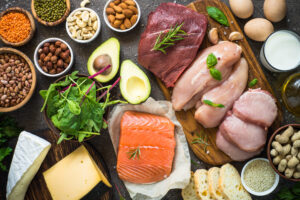
Protein is essential for energy, muscle, and overall health, but for people with irritable bowel syndrome (IBS), how you get that protein can make the difference between a comfortable day and a flare.

If you have ever felt queasy during a bout of constipation, you are not imagining the connection. While constipation is usually thought of as a lower-digestive problem, it can also leave you feeling sick to your stomach, especially when it is severe or long-lasting.

Stomach ulcers, also known as peptic ulcers, are painful sores that develop in the lining of the stomach or the first part of the small intestine. These ulcers can cause significant discomfort and lead to serious complications if left untreated. Understanding the signs and symptoms of stomach ulcers is crucial for early detection and effective management.
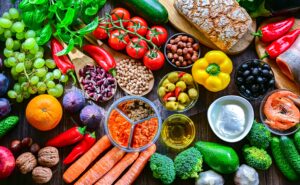
A low-carb diet may offer relief for those struggling with irritable bowel syndrome (IBS), a condition characterized by abdominal pain and altered bowel habits. While many individuals seek dietary solutions to manage IBS symptoms, understanding the role of carbohydrates is crucial.

GERD, or gastroesophageal reflux disease, is a prevalent condition affecting millions worldwide. Characterized by chronic symptoms like heartburn and acid reflux, GERD can lead to significant health complications if left untreated.

Constipation is a common challenge for those with irritable bowel syndrome (IBS), particularly the IBS-C subtype. This condition affects millions globally, significantly impacting daily life. Understanding how to manage constipation effectively can improve quality of life for those struggling with IBS.