That tight, swollen, uncomfortable feeling that shows up after eating is one of the most common digestive complaints, and it can turn an enjoyable meal into hours of discomfort. The good news is that post-meal bloating is often very manageable once you understand what causes it. For most people, a few adjustments to how and what they eat make a real difference, and simple in-the-moment strategies can ease the discomfort when it strikes. This article explains why you feel bloated after eating, the lifestyle and dietary habits that help prevent it, quick relief for trapped gas, and the signs that mean it is time to see a doctor. With a little attention to your habits and your triggers, comfortable, bloat-free meals are a realistic goal for most people.
Why You Feel Bloated After Eating
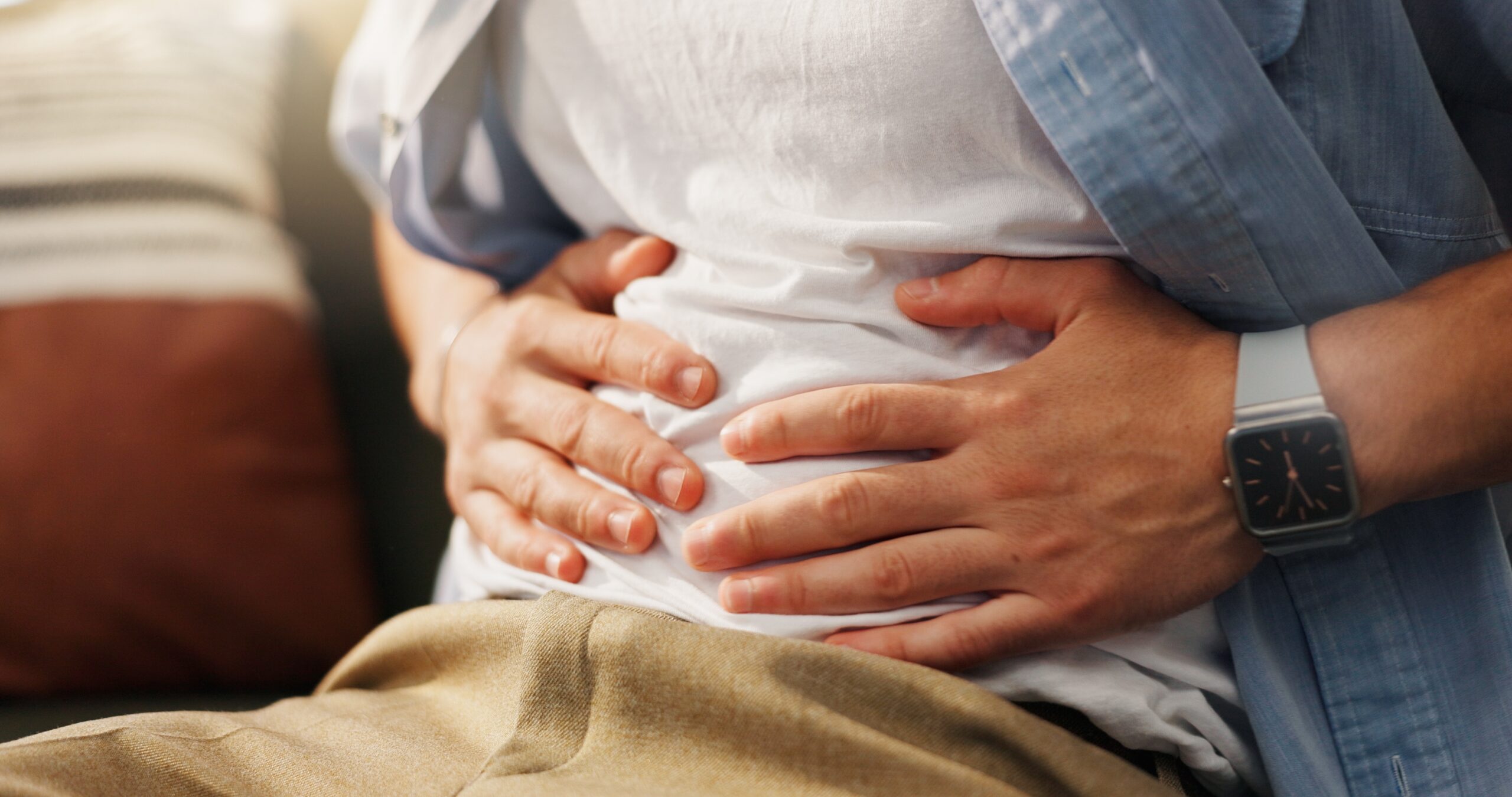
Bloating after meals usually comes from either extra gas in the digestive tract or the normal stretching of your stomach and intestines as they fill and work to digest food. Gas builds up in two main ways: from air you swallow while eating and drinking, and from the natural fermentation of certain foods by bacteria in your gut. Eating quickly, talking while you eat, drinking through a straw, chewing gum, and sipping carbonated beverages all cause you to swallow more air than usual. Meanwhile, some foods produce more gas as they are broken down, including beans, certain vegetables, and foods high in fermentable carbohydrates. Large or high-fat meals can also slow digestion and leave you feeling heavy and distended. For some people, food intolerances such as lactose intolerance, or conditions like irritable bowel syndrome, make bloating more frequent and pronounced. Understanding which of these factors applies to you is the first step to lasting relief, since the right solution depends on the underlying cause. Paying attention to when your bloating tends to occur, and after which foods or habits, gives you valuable clues to work with. It is also worth remembering that some fullness after eating is a normal part of digestion; the goal is to reduce excessive or uncomfortable bloating, not to eliminate the natural, satisfied feeling that follows a good meal.
Simple Lifestyle Changes to Prevent Bloating
Some of the most effective ways to prevent post-meal bloating have nothing to do with what you eat and everything to do with how you eat. Slowing down is powerful: eating more slowly and chewing your food thoroughly reduces the amount of air you swallow and gives your digestive system a head start. Practicing mindful eating, sitting down for meals, putting your fork down between bites, and paying attention to your food, naturally encourages this slower pace. Eating smaller, more frequent meals rather than a few large ones can also lighten the load on your digestive system and reduce that overfull, distended feeling. It helps to limit habits that pump extra air into your gut, such as chewing gum, drinking carbonated beverages, and using straws. Staying physically active supports healthy digestion, and taking a gentle walk after eating can help move gas through and prevent it from building up. Avoiding the urge to lie down immediately after a meal is wise as well, since staying upright helps digestion proceed smoothly. Managing stress supports digestion too, since tension can affect how your gut moves and how sensitive it feels, so building a little calm into mealtimes is more helpful than it might seem. These small, sustainable habits add up to noticeably less bloating over time.
Best Dietary Habits for Easier Digestion
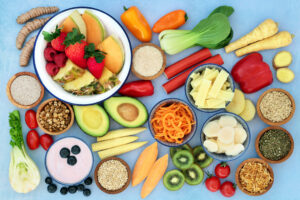
What you eat plays a central role in bloating, and thoughtful dietary habits can make digestion much more comfortable. Start by identifying your personal trigger foods, since bloating culprits vary from person to person; keeping a simple food-and-symptom diary can reveal patterns you might otherwise miss. Common gas-producing foods include beans and lentils, cruciferous vegetables like broccoli and cabbage, onions, and carbonated drinks, though you do not necessarily need to avoid healthy foods entirely, just to be mindful of portions and preparation. If you suspect a food intolerance such as lactose, reducing that food and seeing whether symptoms improve can be telling. For people with IBS or persistent, diet-related bloating, a structured approach like the low-FODMAP diet, ideally guided by a registered dietitian, can identify specific triggers while keeping nutrition balanced. Increasing fiber gradually rather than all at once, and drinking enough water alongside it, helps prevent the gas and bloating that a sudden fiber jump can cause. Cooking methods can help as well: thoroughly cooking gas-producing vegetables, and rinsing canned beans before eating them, can make these foods easier to tolerate than eating them raw or unprepared. Staying hydrated and building meals around foods you tolerate well supports smoother, more comfortable digestion day to day.
When to See a Doctor for Chronic Bloating
Occasional bloating after a big or rich meal is normal, but bloating that is persistent, severe, or interfering with your life deserves medical attention. You should see a doctor if bloating is a daily occurrence, does not improve with dietary and lifestyle changes, or is getting worse over time. It is especially important to seek prompt evaluation when bloating occurs alongside warning signs that are not typical of simple gas, including significant or persistent abdominal pain, unexplained weight loss, blood in the stool, a marked change in your bowel habits, difficulty eating or feeling full very quickly, or nausea and vomiting. These symptoms can point to conditions that need to be identified and treated, ranging from food intolerances and IBS to other digestive disorders. A gastroenterologist can evaluate your symptoms, look for underlying causes, and recommend testing if needed. Persistent bloating is a common reason people see a gastroenterologist, and getting it checked can bring both answers and relief rather than leaving you to guess. Bringing a record of your symptoms and the foods or habits that seem to trigger them makes your visit more productive and helps your provider zero in on the cause more quickly.
Instant Relief Tips for Trapped Gas
When bloating and trapped gas strike, a few quick strategies can help you feel better sooner. Gentle movement is one of the most reliable: a slow walk or light activity encourages trapped gas to move along and can relieve pressure. Certain positions and gentle stretches, such as drawing your knees toward your chest while lying down, may also help release gas. Applying gentle heat to your abdomen with a heating pad or warm compress can relax the muscles and ease cramping discomfort. Sipping warm water or a caffeine-free herbal tea like peppermint or ginger is soothing for many people. Over-the-counter remedies, such as simethicone-based anti-gas products, can help break up gas bubbles for some, and if you know you struggle with a specific food, a targeted digestive enzyme supplement taken as directed may reduce symptoms. Avoid the temptation to lie down flat, which can make trapped gas harder to pass. These measures are meant for temporary comfort; if you find yourself needing them frequently, that is a sign to look at prevention and, if bloating persists, to check in with your doctor. Drinking a glass of water can also help when constipation is contributing to the bloating, since good hydration supports regularity and keeps things moving comfortably. For education only, not medical advice.
Call To Action
If bloating after meals is a frequent problem or is affecting your quality of life, the specialists at Allied Digestive Health can help you find the cause and lasting relief. Request an appointment today to take the next step toward better digestive health.
Citations
NIDDK (National Institute of Diabetes and Digestive and Kidney Diseases) – Symptoms & Causes of Gas in the Digestive Tract.
https://www.niddk.nih.gov/health-information/digestive-diseases/gas-digestive-tract/symptoms-causes
MedlinePlus (National Library of Medicine) – Gas.
https://medlineplus.gov/gas.html
NIDDK (National Institute of Diabetes and Digestive and Kidney Diseases) – Gas in the Digestive Tract.
https://www.niddk.nih.gov/health-information/digestive-diseases/gas-digestive-tract
For education only, not medical advice.