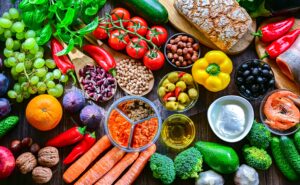
How to Relieve IBS Pain and Symptoms
IBS, or Irritable Bowel Syndrome, is a common digestive disorder that affects millions of people worldwide. It is characterized by abdominal pain, bloating, constipation, and diarrhea. IBS can be a frustrating and debilitating condition, but there are ways to manage and relieve its symptoms.
Concerns Associated with IBS
Living with IBS can be more than just managing physical discomfort; it can also impact a person’s emotional well-being and quality of life. Chronic pain and unpredictable symptoms often lead to increased stress and anxiety.
Moreover, people with IBS may find themselves planning their lives around the proximity to bathrooms, which can limit social interactions and travel. The unpredictability of flare-ups can also present challenges in professional settings, potentially affecting job performance and leading to absenteeism.
How Can I Get Relief From IBS Pain?
Finding relief from IBS pain involves a multifaceted approach. Lifestyle modifications like regular exercise and stress management techniques can significantly reduce symptoms. Furthermore, dietary changes, like the low-FODMAP diet, have proven effective for many.
It’s important to note that every individual’s treatment response may vary, so working closely with a healthcare professional to tailor an individual management plan is essential.
Understanding the Low-FODMAP Diet
The low-FODMAP diet is a dietary approach specifically designed to help manage the symptoms of IBS. ‘FODMAP’ stands for Fermentable Oligo-, Di-, Mono-saccharides, And Polyols, which are groups of carbohydrates that are not easily absorbed by the gut and can trigger digestive distress in sensitive individuals.
Proteins:
- Chicken
- Eggs
- Firm tofu
- Fish
- Unprocessed meats
Fruits:
- Bananas (unripe)
- Blueberries
- Grapes
- Kiwi
- Oranges
- Strawberries
Vegetables:
- Carrots
- Cucumbers
- Eggplant
- Ginger
- Lettuce
- Tomatoes
- Zucchini
Grains:
- Gluten-free bread
- Oats
- Quinoa
- Rice
- Sorghum
Dairy or alternatives:
- Almond milk
- Lactose-free yogurt
- Hard cheeses, such as cheddar or parmesan
Nuts and seeds (in small servings):
- Almonds (max 10 nuts)
- Macadamia nuts
- Peanuts
- Pumpkin seeds
It’s vital to monitor portion sizes since the FODMAP content can increase with larger servings, potentially leading to symptom flare-ups. Remember, working with a dietitian to determine the most suitable food choices based on individual tolerance and requirements is always recommended.
Cognitive Behavioral Therapy for IBS
Cognitive Behavioral Therapy (CBT) is a form of psychological treatment that has shown promise in helping individuals manage the symptoms of IBS. Through CBT, patients learn coping strategies to handle stress and anxiety, which are often triggers for IBS flare-ups. Techniques such as mindfulness and relaxation exercises can help individuals become more aware of their thoughts and feelings, enabling them to change their reactions to IBS symptoms.
While CBT is not a cure for IBS, it can be a powerful tool in reducing the severity and frequency of symptoms and improving quality of life. However, access to a trained therapist and the commitment required to undergo CBT can sometimes be a hindrance for patients seeking this form of therapy.
Do’s and Don’ts for IBS Pain
When managing IBS pain, it’s crucial to recognize which habits help alleviate symptoms and which may exacerbate them. Stay hydrated by drinking plenty of water and including soluble fiber in your diet to aid digestion. Regularly practicing relaxation techniques such as meditation or yoga can also be beneficial.
On the other hand, don’t consume large meals that can trigger discomfort, and don’t indulge in foods and drinks high in caffeine, alcohol, or artificial sweeteners, as these can irritate the gut. Remember, keeping a symptom diary can be incredibly helpful in identifying personal triggers and adjusting your lifestyle accordingly.
Should I Change My Diet?
Altering your diet can be a significant step toward mitigating IBS symptoms. Identifying food intolerances and sensitivities is a vital part of this process. For many people with IBS, gluten, lactose, specific fruits and vegetables, and spicy or fried foods can trigger adverse reactions. Implementing an elimination diet under the supervision of a dietitian can help pinpoint particular foods to avoid.
In addition, spreading out meals into smaller, more frequent portions throughout the day may prevent the onset of symptoms. It’s not just about the foods you eliminate but also about introducing the right balance of nutrients to support digestive health.
Symptoms of IBS
Individuals with Irritable Bowel Syndrome (IBS) experience a variety of symptoms that can significantly impact their daily lives. The most common symptoms include chronic abdominal pain, gas, bloating, and altered bowel habits such as constipation, diarrhea, or a combination of both. Patients may also notice mucus in the stool, indigestion, and a feeling that the bowel does not empty after a bowel movement.
It’s essential for those affected to understand that IBS symptoms can fluctuate over time, often aggravated by stress or eating certain foods and that symptom patterns can be unique to each individual.
When to Talk to Your Doctor
Although Irritable Bowel Syndrome (IBS) is typically managed with lifestyle and dietary changes, it is crucial to consult a healthcare professional if you experience persistent or severe symptoms. If you notice a dramatic change in your bowel habits, unintended weight loss, rectal bleeding, or consistent difficulty after eating, these could be signs of a more severe condition.
A doctor can rule out other causes, diagnose correctly, and help create a tailored treatment plan. It’s imperative to seek medical advice if IBS symptoms are interfering with your quality of life or if you find no relief from initial self-care measures.
If you are concerned or are looking for options to manage your IBS please reach out to Allied Digestive Health. Our doctors are standing by to assist you.