If you live with irritable bowel syndrome and constipation, you know how frustrating it can be. Infrequent bowel movements, abdominal pain, and bloating can affect your comfort, your plans, and your overall quality of life. The good news is that there are many remedies for IBS constipation, from simple diet changes to medications backed by scientific evidence. Here’s what you should know about treating IBS and finding relief.
What Is IBS With Constipation
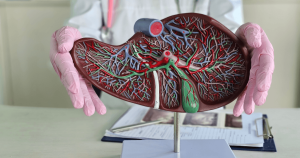
Irritable bowel syndrome (IBS) is a common, long-term condition that affects how the digestive system works. It doesn’t damage the intestines, but it can cause uncomfortable and disruptive symptoms. IBS is often grouped by the main bowel habit a person experiences.
IBS with constipation, known as IBS-C, means that hard or lumpy stools happen more often than loose ones. Researchers believe IBS-C may involve changes in how the muscles of the gut move, increased sensitivity in the intestines, and miscommunication between the gut and the brain.
Common Symptoms of IBS Constipation
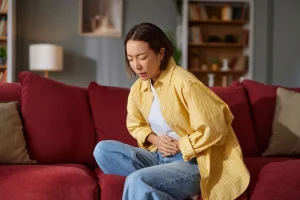
IBS-C can look different from person to person. People with IBS may notice symptoms including:
- Fewer bowel movements than usual
- Hard, dry, or lumpy stools
- Straining or a feeling of incomplete emptying
- Abdominal pain or cramping that often eases after a bowel movement
- Gas and bloating, or a swollen-feeling belly
- Mucus in the stool
Symptoms often come and go. Many people find that pain and bloating get worse after meals or during stressful periods.
Diet Changes That May Help Relieve IBS Constipation
What you eat can play a big role in how you feel. These diet changes may help relieve constipation and improve IBS symptoms:
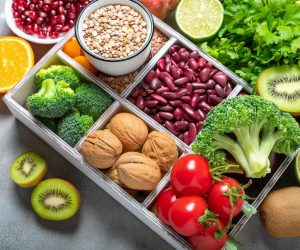
- Add high fiber foods gradually. Oats, kiwi, berries, carrots, and other fruits, vegetables, and beans can help soften stool. Adding them slowly helps prevent extra gas.
- Try a low-FODMAP diet. FODMAPs are certain carbohydrates that can trigger gas, bloating, and abdominal pain. A gastroenterologist or dietitian can guide you through this short-term elimination diet and help you reintroduce foods safely.
- Limit trigger foods. Highly processed foods, fried or fatty meals, and large amounts of caffeine or alcohol may worsen symptoms for some people.
- Eat on a regular schedule. Regular meals can help your bowels develop a more predictable routine.
Keeping a food and symptom diary can help you spot patterns and identify your personal triggers.
The Role of Fiber, Hydration, and Physical Activity
Fiber: Getting enough fiber in your diet is one of the most common recommendations for IBS-C. Soluble fiber, found in oats, psyllium, and many fruits, tends to be better tolerated. Insoluble fiber, such as wheat bran, may increase gas and bloating in some people. If food alone isn’t enough, fiber supplements like psyllium can help. Increase fiber slowly over a few weeks to give your body time to adjust.
Hydration: Fiber works best with plenty of water. Fluids help keep stool soft and easier to pass. Without enough water, extra fiber may actually make constipation worse.
Physical activity: Regular exercise helps stimulate the natural movement of your intestines. Walking, cycling, swimming, or yoga for about 30 minutes most days can make a noticeable difference.
Can Stress Make IBS Constipation Worse?
Yes. The gut and the brain are closely connected through what’s known as the gut-brain axis. Stress and anxiety can change how quickly food moves through your intestines and make your gut more sensitive to pain.
Finding ways to reduce stress may help ease IBS flare-ups. Helpful options include deep breathing, meditation, yoga, regular sleep, and setting aside time for activities you enjoy. Some people also benefit from gut-directed therapies, such as cognitive behavioral therapy (CBT) or gut-directed hypnotherapy, which have shown promise for managing IBS symptoms.
Over-the-Counter and Prescription Treatment Options
When lifestyle changes aren’t enough, medications may help. Over-the-counter options include:
- Fiber supplements, such as psyllium, to add bulk and soften stool
- Osmotic laxatives, such as polyethylene glycol (PEG), which draw water into the bowel to ease constipation, though they may not relieve abdominal pain
- Stool softeners, which can make stools easier to pass
Stimulant laxatives can provide short-term relief, but they shouldn’t be used regularly without guidance from your doctor.
For ongoing symptoms, a gastroenterologist may recommend prescription medications designed for IBS-C. These include linaclotide (Linzess), plecanatide (Trulance), lubiprostone (Amitiza), and tenapanor (Ibsrela), which help increase fluid in the intestines and support more regular bowel movements. Some may also ease abdominal pain. In some cases, low doses of certain antidepressants are used to calm gut pain signals. Every medication has potential side effects, so it’s important to discuss the risks and benefits with your doctor.
Natural Remedies for IBS Constipation: What Does the Evidence Say?
Many people with IBS are curious about natural or complementary remedies. Here’s a look at what the scientific evidence shows so far:
- Peppermint oil: Enteric-coated peppermint oil capsules may help relax the intestinal muscles and ease pain and bloating. Heartburn is a possible side effect.
- Probiotics: These “good” bacteria may improve gas and bloating for some people, but results vary by strain and more research is needed.
- Kiwi and prunes: Both have shown promise in helping relieve constipation in studies, thanks to their fiber and natural compounds.
- Mind-body therapies: Gut-directed hypnotherapy and CBT have some of the strongest evidence among complementary approaches for improving IBS symptoms.
- Acupuncture and herbal supplements: Evidence is limited or mixed. Herbal products aren’t regulated like medications and can interact with other drugs.
Always talk with your doctor before starting a new supplement or natural remedy.
When Should You See a Gastroenterologist for IBS?
If constipation, pain, or bloating keeps coming back or affects your daily life, it’s a good idea to see a specialist. A gastroenterologist can confirm an IBS diagnosis, rule out other conditions, and create a treatment plan tailored to you.
Seek care promptly if you notice any of these warning signs:
- Blood in your stool or rectal bleeding
- Unexplained weight loss
- Constipation that begins after age 50
- A family history of colorectal cancer, celiac disease, or inflammatory bowel disease
- Severe or worsening abdominal pain
- Symptoms that wake you up at night
- Vomiting or trouble swallowing
These symptoms may point to a condition other than IBS and should be evaluated.
Find Relief from IBS Constipation with Allied Digestive Health
You don’t have to manage IBS constipation on your own. The board-certified gastroenterologists at Allied Digestive Health take a personalized approach to treating IBS, combining diet guidance, lifestyle strategies, and proven medical treatments to help you feel better. With practices across New Jersey and New York, expert digestive care is close to home.
If IBS is affecting your comfort or quality of life, schedule an appointment with an Allied Digestive Health gastroenterologist today.
Sources