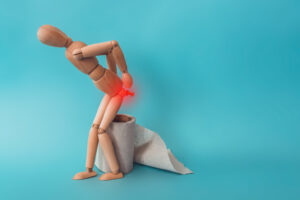
Hemorrhoids are a very common gastrointestinal disorder that is very treatable. Sometimes, if a patient knows positively they have hemorrhoids, they can be treated over the counter with creams and medications. However, the most common symptom of (external) hemorrhoids is rectal bleeding, which can be alarming. Any time you see blood in the stool or similar symptoms, it’s a good idea to consult your gastroenterologist. Read on to learn if hemorrhoids are a marker for cancers, more about different types of cancer, including colorectal and anal cancer, and what the symptoms of hemorrhoids are.
What Are Hemorrhoids?
Hemorrhoids are swollen blood vessels that can form inside the rectum or on the outside of the anus. This condition is also known as piles, and while it is not typically serious, it can be quite painful, strongly affecting a patient’s quality of life. According to the National Institute of Diabetes and Digestive and Kidney Diseases (NIDDK), hemorrhoids will affect about 1 in 20 people in their lifetimes. There are two different types of hemorrhoids:
- External. This type of piles occurs under the skin around the anus. External hemorrhoids can be quite painful.
- Internal. Internal hemorrhoids appear inside the rectum and anus. Internal hemorrhoids can often show no symptoms at all but are often accompanied with rectal bleeding.
Both internal and external hemorrhoids have many of the same risk factors. These include:
- Obesity. Excess weight can strain and cause the blood vessels to swell.
- Straining during a bowel movement. If you strain often during a bowel movement, you’re more at risk for hemorrhoids
- Sitting on the toilet too long. Simply lingering on the toilet for too long can strain the tissues around the rectum and anus.
- Pregnancy. Because of the increased pressure in the abdomen, hemorrhoid flare-ups are very common in pregnancy.
- Age and weakened tissues. As you age, the tissues around the anus and rectum become weakened over time.
- A low-fiber diet. Having too little fiber in your diet can cause chronic constipation, which can lead to straining.
- Heavy lifting. If you’re often lifting heavy objects, the excess pressure puts you more at risk of hemorrhoids.
Hemorrhoids can often go away on their own, however, if you experience rectal bleeding, you should always consult a gastroenterologist. Treatment options usually include over-the-counter creams and pain relievers, such as ibuprofen. Hemorrhoids can often be improved by using sitz baths, cold compresses, and wipes. In rare cases of enlarged external hemorrhoids, they may need to be medically treated. Some of these treatments include:
- Rubber band ligation. This procedure uses a band to cut off blood circulation to the hemorrhoid.
- Sclerotherapy. An injection would be given to shrink the hemorrhoid.
- Coagulation. Lasers, infrared light, or heat can cause small internal hemorrhoids to shrink and shrivel.
In very rare cases of severe hemorrhoids, they are surgically removed in a procedure called a hemorrhoidectomy.
There are some risk factors for hemorrhoids. A family history of hemorrhoids is the biggest risk factor, followed by pregnancy and age.
In some instances, hemorrhoids can be prevented. When you have a bowel movement, avoid straining. Avoid heavy lifting is also recommended. You can also make sure you don’t become occasionally constipated by drinking more water and adding more fiber to your diet.
Can Hemorrhoids Lead to Cancer?
The answer is no—hemorrhoids do not lead to cancer. However, rectal bleeding can be a sign of many serious gastrointestinal diseases, such as diverticular disease and colon cancer.
If you go to a GI doctor for a diagnosis, they will perform a physical exam and likely anoscopy, which is a noninvasive procedure that allows the physician to see the inside of the rectum and anus. If one of your symptoms is rectal bleeding, your gastro will likely suggest a colonoscopy, to rule out more serious problems. Other than hemorrhoids and colon, anal, and rectal cancers, rectal bleeding can be caused by:
- Anal fissures
- Peptic ulcers
- Esophageal issues
- Colitis and inflammatory bowel disease
- Angiodysplasia, which are swollen and bleeding vessels in the gastrointestinal tract Rectal bleeding always warrants a trip to a specialist, like a gastroenterologist.
What Are the Signs and Symptoms of Hemorrhoids?
Internal hemorrhoids may have no symptoms at all, while external hemorrhoids can have very noticeable and painful symptoms. Symptoms vary depending on the severity of the hemorrhoid(s). Common symptoms of hemorrhoids include rectal bleeding, anal or rectal itching, and a lump at the opening of the anus.
When Should I See a Gastroenterologist?
If rectal bleeding is one of your symptoms, you should consult a gastroenterologist as soon as possible, so more severe conditions can be ruled out. If you have rectal bleeding along with unexplained fatigue, rectal pain, and unintended weight loss, these symptoms could be markers for colorectal cancer, so you should always schedule a consultation to be sure.
You should always seek emergency care first if you experience symptoms such as fainting, severe rectal bleeding, dizziness, and lightheadedness, particularly if you are over the age of 40.
If a hemorrhoid is thrombosed, it requires medical treatment. A thrombosed hemorrhoid is when blood forms a clot, which can result in severe rectal pain, a hard lump around the anus, swelling, and inflammation. It’s important to see your gastroenterologist right away if you suspect a thrombosed hemorrhoid. The physician can perform a hemorrhoidectomy, but treating thrombosed hemorrhoids is most effective if performed within 72 hours from when the time the clot formed.
Rectal bleeding can certainly cause you to worry about cancer, but if you suspect hemorrhoids, they are often the likely culprit. They’re easily diagnosed and treatable—if you are diagnosed with hemorrhoids, they are typically easily treatable with over-the-counter creams, sitz baths, cold compresses, and keeping the anal area clean.
Scheduling a Consultation
Scheduling a consultation with us is easy. Contact us today at one of our Care Centers for comprehensive and quality care and treatment for hemorrhoids and all other types of GI disorders. Our team of board-certified gastroenterologists, pathologists, anesthesiologists, nurse practitioners, and physician assistants will assist in your care and provide you with the best possible treatment.