Signs of Gallbladder Disease
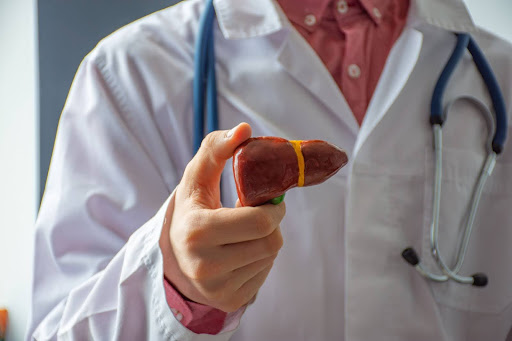
Gallbladder disease is a medical condition that presents in several forms and can significantly impact a person’s quality of life. The gallbladder, a small pouch-like organ situated below the liver, plays a crucial role in digestion through the storage of bile. However, when disease strikes – whether through the formation of gallstones, inflammation, or cancer – it can disrupt this essential digestive process.
The signs of gallbladder disease can vary, and often, they may be easily overlooked or mistaken for other conditions. This articles aims to shed light on the various signs and symptoms of gallbladder disease, increasing awareness and promoting early detection.
Common Gallbladder Disease Symptoms
This disease can be alarming, and it is important to understand what to look out for. One of the most common forms of gallbladder disease is acute cholecystitis, which causes inflammation in the gallbladder.
This can lead to a number of uncomfortable symptoms, including pain in the upper-right abdomen and under the shoulder blade, nausea, vomiting, and bloating. Rapid weight loss is also a red flag for gallbladder disease, as sudden drops in weight can increase the risk of developing complications.
Understanding the risk factors associated with this condition, such as being female, being over 60 years old, and having a family history of gallbladder disease, can help individuals take preventative measures. If you are experiencing any of these symptoms, seek medical attention as soon as possible to ensure effective treatment.
Risk Factors for Gallbladder Disease
Gallbladder disease is a common ailment that affects millions of people every year. It occurs when there is a blockage in the duct leading out of the gallbladder, preventing the bile from draining correctly. This leads to pain in the upper right quadrant of the abdomen, discomfort, and other gallbladder problems. The most significant risk factor for developing gallbladder disease is gallstones blocking the duct.
However, several other factors increase the likelihood of developing this condition, including obesity, a high-fat diet, and a family history of gallbladder disease. Fortunately, there are several prevention methods and treatments available for gallbladder disease.
Maintaining a healthy weight, following a low-fat diet, and exercising regularly can all help to reduce the risk of developing gallstones and other gallbladder conditions. If you experience symptoms of gallbladder disease, please seek medical attention as soon as possible to avoid further complications.
The Types of Gallbladder Disease
Gallbladder disease is a condition that affects a significant number of individuals worldwide. Several types of gallbladder disease:
- Gallstones blocking – the common bile duct and causing abdominal pain is one of the most common types.
- Gallbladder polyps – are abnormal tissue growths in the gallbladder, which can occur in both men and women.
- Biliary colic – is a severe pain that arises from a sudden blockage of the bile duct.
If left untreated, these conditions can cause severe complications and endanger one’s life. That’s why it’s crucial to seek medical attention as soon as possible if you develop any symptoms of gallbladder disease. With early diagnosis and treatment, most instances of gallbladder disease can be treated effectively.
Diagnosing Gallbladder Problems
Gallbladder problems can be a severe concern for anyone experiencing them. One of the most common issues is acute cholecystitis, which is the gallbladder inflammation.
This inflammation can cause severe pain in the abdomen, especially after meals high in fat. Other symptoms include rapid weight loss, fever, and nausea. It’s essential to understand the risk factors associated with these problems, such as obesity, smoking, and a diet high in saturated fats.
Furthermore, sometimes, the pain caused by the gallbladder can radiate to other areas, even leading out of the gallbladder itself. Many people experience pain between their shoulder blades when they have a gallbladder issue, which can be a clear sign that something is not correct.
If you are concerned that you may have a gallbladder problem, you must make an appointment with your doctor. They can help diagnose the problem and provide the necessary treatment to alleviate your symptoms.
Treatment Options for Gallbladder Disease
Non-surgical Treatments
Patients with mild symptoms may manage gallbladder disease using non-surgical methods, such as dietary modifications. A low-fat diet can reduce gallbladder workload, thus minimizing symptoms. Medications that help dissolve gallstones may also be used, but this treatment could take months or years to dissolve the stones completely, and they may reoccur once the medication is stopped.
Surgical Treatments
In severe cases, or when non-surgical treatment does not work, doctors may recommend gallbladder removal surgery (cholecystectomy). This procedure is commonly performed and safe, with two types available: open surgery and laparoscopic surgery. Laparoscopic surgery is less invasive, has a shorter recovery time, and leaves smaller scars than open surgery.
It’s crucial to consult with a healthcare professional to determine the best course of action, as the appropriate treatment varies depending on individual circumstances and the severity of the disease.
Preventing Gallbladder Disease
While there’s no surefire way to prevent it, there are certain risk factors that individuals should be mindful of. Rapid weight loss is one of them, as it can lead to the formation of gallstones.
Additionally, while the gallbladder is vital for aiding digestion, it’s not necessary for survival – some individuals may benefit from removing it. Suppose you experience pain or tenderness in the area beneath your right shoulder blade.
In that case, it’s worth speaking to a healthcare professional to determine if you may be at risk for gallbladder disease.
Dietary Tips for Gallbladder Health
Maintaining a healthy gallbladder involves understanding the risk factors associated with its dysfunction, such as rapid weight loss and a high-fat diet. Paying attention to what we eat is essential to avoid irritating the gallbladder, leading to potential health problems.
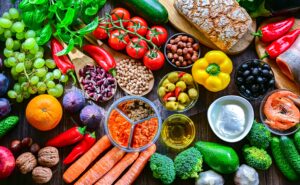
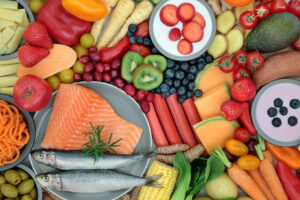
A healthy diet includes a balance of lean proteins, fruits, vegetables, and healthy fats, which can assist in maintaining a healthy weight, decreasing inflammation, and leading to stable gallbladder health. If you experience pain under your right shoulder blade and feel bloated after consuming greasy foods, it’s time to take precautions and prioritize your body’s management.
An excellent dietary plan and a solid commitment to the lifestyle changes necessary for good health will make you healthier and happier.
When to Talk to Your Doctor
When it comes to your health, it’s always important to be proactive and stay informed. Though it may seem daunting, speaking with your doctor is crucial in ensuring you stay healthy and catch any issues before they become major problems. One issue to be aware of is acute cholecystitis, which is a sudden inflammation of the gallbladder.
If you experience symptoms such as rapid weight loss, pain in the upper abdominal area or underneath the right shoulder blade, it’s important to discuss this with your doctor. Factors such as a high-fat diet, obesity, and older age can also increase your risk for developing this condition. Don’t wait until it’s too late – make an appointment with your doctor and take charge of your health.