How Does a Colonoscopy Detect Colorectal Cancer?
Colorectal cancer screening is designed to detect cancer early, when it is most treatable, and to identify growths that could develop into cancer over time.

Colorectal cancer screening is designed to detect cancer early, when it is most treatable, and to identify growths that could develop into cancer over time.

Research shows that lifestyle factors — including alcohol consumption — can influence colon cancer risk.

Understanding these gender-specific patterns can help men recognize male IBS symptoms, manage their condition, and know when to seek help from a healthcare provider.
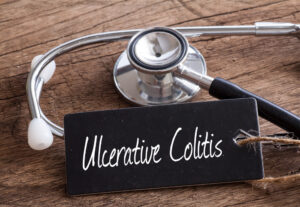
While many people recognize UC as a digestive disorder, its effects can extend beyond the GI tract, influencing overall health and quality of life.

While there is no single cure for IBS, dietary management is one of the most effective ways to reduce symptoms.

One day you might feel fine, and the next you’re dealing with debilitating cramps, bloating, and unpredictable bathroom emergencies.

A person can have polyps for years and be completely unaware, which is why screening is so important.

An IBS self-assessment of your symptoms can suggest you have the condition, but it cannot replace a clinical evaluation.

A diet rich in diverse, whole foods supports a wide variety of good bacteria, a state known as high microbiota diversity.

Dealing with diarrhea is never pleasant. The urgent, frequent trips to the bathroom leave you feeling drained and uncomfortable.

Understanding the link between IBS and hemorrhoids is the first step toward finding effective relief and improving your quality of life.

By focusing on credentials, key quality metrics like ADR, and your own comfort, you can make an empowered choice.